


Dhaval Engineering Works – presents Pressure Vessels in Ahmedabad, Gujarat, Our Pressure Vessel are manufacture by using of the pleasant raw material. We are reliable Pressure Vessel Manufacturer, supplier and exporters since 4 decades.
These are a sort of business equipment used for storing vapors, gases, or fluids. They usually shop these at stress ranges above 15 pounds in keeping with square inch (psi), which is above atmospheric pressure. Pressure Vessels have uses in mining, refineries, and navy system such as submarines. They are used for storing some of gases like chlorine, petroleum, and ammonia.
Due to the tough efforts of our R&D branch, we are making continuous advancements inside the form of given merchandise. Our crew has best professional information and experience within the industry. Our set off shipping, honest business regulations, fair rate have approved us to get clients all across the international marketplace.We proudly export to Indonesia, Bangladesh, Vietnam, Italy, and Germany.
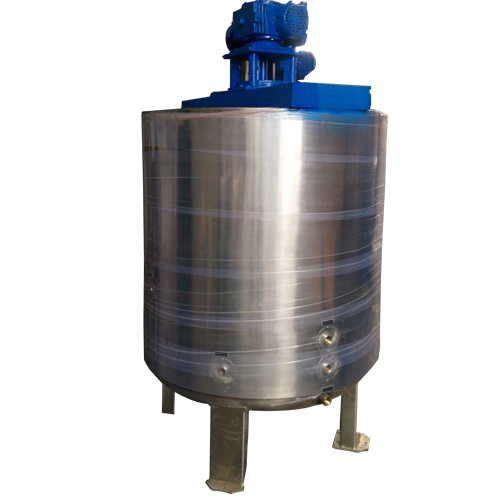
What Materials are usually selected for pressure vessels?
- Materials commonly used for Pressure Vessels include carbon steel, stainless steel, and alloy steel. These materials are chosen for their high strength, durability, and corrosion resistance. Stainless steel is often preferred for specialized applications like Textile Sizing Machines. It is also favored for Textile Machinery and the Kanji cooking process. This is due to its excellent resistance to chemical reactions. Additionally, it can withstand high temperatures and pressure effectively.
Applications:
Textile | Pharmaceutical | Chemical | Packaging | Industry | Leak Proof SS Vessel
FAQs – pressure vessels
What is the capacity range of the pressure vessels manufactured by Dhaval Engineering Works?
We manufacture highly durable industrial pressure vessels with capacities ranging from 500 Liters to 5,000 Liters. Our vessels can be custom-engineered to meet the specific volume and spatial requirements of your manufacturing facility.
What materials are used in the construction of your pressure vessels?
We prioritize strength, durability, and corrosion resistance. Depending on the application, we use premium-grade Carbon Steel, Stainless Steel (SS), and Alloy Steel. For specialized applications requiring high resistance to chemical reactions and extreme temperatures, we highly recommend our premium Stainless Steel Pressure Vessels.
Which industries commonly use your pressure vessels?
Our leak-proof pressure vessels are highly versatile and widely trusted across multiple sectors. They are primarily used in the Textile Industry (specifically for Sizing Machines and the Kanji cooking process), as well as in the Pharmaceutical, Chemical, Packaging, Mining, and Petroleum industries.
What types of substances can be stored in these vessels?
Our vessels are engineered to safely store vapors, fluids, and industrial gases at pressure levels exceeding 15 psi (above atmospheric pressure). Common applications include the safe containment and processing of ammonia, petroleum, chlorine, and various chemical solvents.
Why is Stainless Steel preferred for textile and chemical applications?
Stainless steel is heavily favored in textile sizing and chemical processing because of its exceptional rust and corrosion resistance. It prevents contamination of the materials being processed, effortlessly withstands high-temperature chemical reactions, and guarantees a longer operational lifespan for the equipment.
Do you export pressure vessels outside of India?
Yes! While we are a leading pressure vessel manufacturer based in Ahmedabad, Gujarat, we have a strong global footprint. Dhaval Engineering Works proudly exports high-quality machinery and vessels to international markets, including Indonesia, Bangladesh, Vietnam, Italy, and Germany.
Are your pressure vessels tested for safety and leak-proofing?
Absolutely. Quality assurance is our top priority. Every pressure vessel undergoes rigorous factory testing using advanced tools to ensure it is 100% leak-proof, capable of maintaining high-pressure integrity, and compliant with industrial safety standards.