

How PTFE Coating Helps Prevent Sticking on Industrial Rollers
Materials sticking to industrial rollers can turn a normal production run into a difficult shift. Operators may need to stop the machine, clean the surface and check the processed material. When the problem keeps returning, it creates extra work and interrupts the production schedule.
PTFE coating helps by creating a surface that many materials release from more easily. It is used on selected industrial rollers where sticking, residue buildup or difficult cleaning affects the process. However, choosing the right coating requires a clear understanding of the material, temperature and working conditions.
This guide explains how PTFE roller coating works, where it can help and what to discuss with a coating manufacturer or supplier before making a decision.
What Is PTFE Coating for Industrial Rollers?
PTFE stands for polytetrafluoroethylene. It is a fluoropolymer known for its non-stick properties, low friction and resistance to many chemicals.
PTFE coating is applied to a prepared roller surface using a suitable coating system. The coating then goes through a controlled curing process according to its technical requirements.
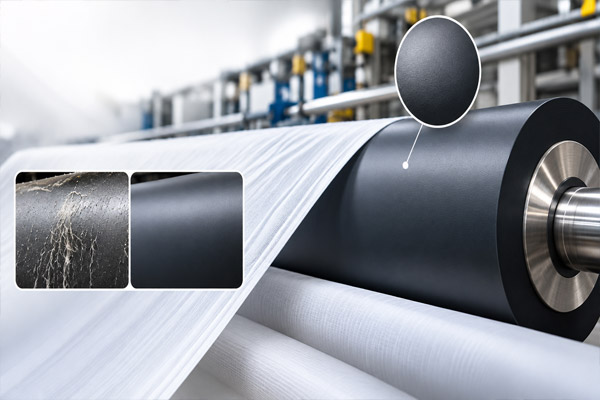
The finished surface helps reduce the tendency of certain process materials to stick to the roller. The result depends on the coating grade, application quality and operating conditions.
Is PTFE Coating the Same as Teflon Coating?
PTFE is the name of the material. Teflon is a brand name used for a range of fluoropolymer products, including PTFE coating systems.
In industrial discussions, people often use “Teflon coating” when asking about a non-stick coating. Always confirm the exact coating type and grade with the supplier, because different fluoropolymer systems have different properties.
Why Do Materials Stick to Industrial Rollers?
Sticking can happen when the processed material bonds with, softens against or builds up on the roller surface.
For example, an adhesive may leave residue during processing. A softened polymer may cling to a heated roller. An uneven or damaged surface may also make material release more difficult.
Common factors include:
- The type of material being processed.
- Roller surface temperature.
- Contact pressure.
- Time spent in contact with the roller.
- Surface condition and cleanliness.
- Adhesives, oils or other process chemicals.
- Changes in machine settings.
Before choosing a coating, investigate the cause of sticking. A surface treatment may help, but it cannot correct every process or machine problem.
How Does PTFE Coating Help Prevent Sticking?
PTFE has low surface energy. In simple terms, many substances do not bond strongly to its surface. This helps the processed material separate from a coated roller more easily.
PTFE also has low friction, which can help in applications where sliding contact is needed. These properties make it useful for selected release surfaces.
However, non-stick does not mean that nothing can ever stick. Some materials can still leave residue, especially if the coating is damaged or the process runs outside its intended conditions.
The coating must match the application to provide useful performance.
What Are the Benefits of PTFE Coated Rollers?
A suitable PTFE coating can help address several surface-related production problems.
Which Industries Use PTFE Coated Rollers?
| Industry | Possible Roller Application | What to Check |
|---|---|---|
| Textile | Selected fabric finishing and processing duties | Fabric type, chemicals, temperature and grip needs |
| Packaging | Release surfaces in adhesive or film processes | Adhesive type, pressure and buildup |
| Printing and converting | Selected coating and laminating operations | Ink, coating chemistry and surface requirements |
| Plastic processing | Contact with selected films and polymers | Polymer behaviour and roller temperature |
| Rubber processing | Release duties involving tacky materials | Compound type, pressure and wear |
| Web processing | Selected rollers where sticking affects material movement | Web tension, traction and release needs |
Not every roller in these industries should receive PTFE coating. Drive and traction rollers, for example, may need different surface properties.
How Can PTFE Coating Help Textile Units?
Textile processing may involve heat, moisture, finishing agents and other chemicals. In some operations, these materials can leave deposits on roller surfaces.
Where release is the main requirement, a suitable PTFE coating may help reduce adhesion and make cleaning easier.
Before selecting PTFE coating for textile rollers, review:
- The fabric or yarn being processed.
- Finishing agents used.
- Normal and peak roller temperatures.
- Contact pressure.
- Required surface grip.
- Current cleaning products.
- The location and type of buildup.
A coating supplier needs these details to assess the application. Describing the roller only as a “textile roller” does not provide enough information.
What Should You Check Before Choosing PTFE Roller Coating?
Start with the job the roller needs to perform. A coating that provides good release in one process may wear quickly or cause slipping in another.
Why Does Surface Preparation Matter?
A coating needs a properly prepared base surface. Oil, dirt, corrosion or unsuitable old coating can affect adhesion.
The preparation method depends on the roller material and chosen coating system. It may involve cleaning, removing an existing finish and preparing the surface profile.
A typical coating project includes:
- Inspecting the roller.
- Confirming the application requirements.
- Preparing the base surface.
- Applying the specified coating system.
- Curing under controlled conditions.
- Checking the finished roller.
The exact steps should follow the coating maker’s instructions. Good preparation and controlled application are as important as choosing the coating material.
Is a Thicker PTFE Coating Always Better?
No. A thicker coating does not automatically provide better performance.
The correct thickness depends on the coating system, roller dimensions and process needs. Excess thickness may affect clearances, tolerances or other working properties.
Ask the coating provider to confirm:
- The recommended coating system.
- The specified thickness range.
- The finished roller dimensions.
- The inspection method.
- Any limits for the application.
Choose a suitable coating specification rather than asking for the thickest available layer.
PTFE Spray Coating and Sleeved Rollers
Applied PTFE coatings and sleeved rollers are different surface solutions. A sleeve fits over the roller, while an applied coating is formed on a prepared surface and cured.
The exact sleeve material must be confirmed, as fluoropolymer sleeves can use different materials.
| Point to Compare | Applied PTFE Coating | Fluoropolymer Sleeve |
|---|---|---|
| Surface construction | Coating applied to a prepared base | Separate sleeve fitted over the roller |
| Selection factors | Base material, preparation, curing and coating grade | Roller dimensions, sleeve material and fitting method |
| Dimensional effect | Depends on specified coating thickness | Depends on sleeve wall thickness and fit |
| Repair approach | May require stripping and recoating | May involve sleeve replacement |
| Best choice | Depends on the process | Depends on the process |
Ask the supplier to assess both options where relevant. Confirm the exact material and installation requirements before ordering.
How Should PTFE Coated Rollers Be Cleaned?
Use the cleaning method approved for the coating system. A non-stick surface still needs care, and rough cleaning can damage it.
Before hands-on cleaning, stop and isolate the machine according to the site procedure. Allow heated parts to cool as required.
Good cleaning practices include:
- Using approved cloths or soft cleaning tools.
- Choosing compatible cleaning products.
- Removing residue without sharp scraping.
- Keeping the surface free from unnecessary contamination.
- Checking for damage after cleaning.
- Recording repeated buildup.
Avoid metal scrapers, wire brushes and abrasive pads unless specifically approved. Never wipe a rotating roller by hand.
What Signs Suggest a Roller Needs Inspection or Recoating?
Arrange inspection when the surface changes or release performance becomes worse.
Signs to report include:
- Peeling or flaking.
- Deep scratches.
- Exposed base material.
- Local areas where material repeatedly sticks.
- Visible wear tracks.
- Damage after contact with a tool or machine part.
Sticking alone does not prove that recoating is needed. Check for changes in material, temperature, pressure and cleaning practices too.
A trained coating specialist should assess whether the roller needs cleaning, repair, recoating or replacement.
How Long Does PTFE Roller Coating Last?
There is no single service life for every PTFE coated roller.
Coating life depends on the working conditions, coating system and maintenance routine. Abrasive materials, heavy contact, sharp tools and unsuitable cleaning can shorten its useful life.
Keep records of:
- Running hours.
- Materials processed.
- Temperature and pressure changes.
- Cleaning methods.
- Surface damage.
- Previous recoating dates.
These records help your team compare performance and plan inspections based on actual use.
Common Mistakes When Selecting PTFE Coating
Avoid choosing a coating based only on its colour or the word “non-stick.”
Other common mistakes include:
- Leaving out peak operating temperatures.
- Assuming every roller needs low friction.
- Ignoring wear and contact pressure.
- Failing to share chemical details.
- Overlooking finished dimensions.
- Using rough tools for cleaning.
- Expecting coating to solve a machine-setting problem.
Clear application details help the coating provider recommend a more suitable solution.
How to Choose a PTFE Coating Manufacturer or Supplier
Choose a PTFE coating manufacturer or supplier who reviews the process before recommending a coating system.
A useful technical discussion should cover:
- Roller function and dimensions.
- Base material.
- Process material and chemicals.
- Normal and peak temperatures.
- Pressure and wear conditions.
- Grip and release requirements.
- Finished tolerances.
- Cleaning and maintenance instructions.
Ask what inspection records are available and how the finished coating will be checked.
If the roller contacts food, request documentation for the exact coating system and intended use. A general PTFE description does not confirm food-contact suitability.
PTFE Teflon Coating Services in Ahmedabad
Dhaval Engineering Works provides PTFE Teflon coating services in Ahmedabad, Gujarat, India, for selected industrial roller applications. The company also offers sleeved roller options, subject to the required dimensions and application.
When discussing your requirement with a roller manufacturer or coating supplier, explain where sticking occurs and what material contacts the roller. Include dimensions, operating temperature, process conditions and photographs where available.
Explore PTFE Teflon coating services from Dhaval Engineering Works to discuss your roller application.
Frequently Asked Questions About PTFE Roller Coating
PTFE has low surface energy, which helps many materials release more easily. Its performance depends on the material, coating system and operating conditions.
No. Some materials can still leave residue. Temperature, pressure, contamination and coating damage can affect release performance.
Not always. The base material, dimensions, condition and ability to withstand preparation and curing must be checked first.
Some PTFE coating systems suit heated applications. Confirm the permitted working temperature for the exact grade, including peak temperatures and operating conditions.
Yes. PTFE’s low friction may reduce traction. Check whether the roller needs to drive, grip, guide or release the material before selecting the coating.
In many cases, an existing roller can be assessed for recoating. Its condition, dimensions and previous surface treatment determine what work is possible.
No. Suitability depends on the exact coating system and intended conditions of use. Ask for the relevant documentation before selecting it.
Share the roller dimensions, base material, operating temperature, contact pressure, processed material, chemicals and surface requirements.
It can suit selected textile roller applications where release is needed. The supplier should review the process chemicals, temperature, wear and grip requirements.
Peeling, exposed metal, deep scratches and worn areas need inspection. Also check process changes before deciding that the coating is the cause of sticking.