
In modern industries where high pressure, temperature control, and safe fluid storage are essential, pressure vessels play a vital role. These specialized containers are engineered to safely store gases or liquids at pressures significantly different from atmospheric pressure. From chemical processing plants to oil refineries and pharmaceutical industries, a reliable Pressure Vessel Manufacturer ensures operational safety, efficiency, and long-term durability.
As a trusted industrial equipment provider, Dhaval Engineering designs and manufactures high-quality pressure vessels that meet strict engineering standards and industry regulations. This comprehensive guide explains pressure vessel design, working principles, features, applications, manufacturing standards, and why industries depend on expert manufacturers for critical operations.
What Is a Pressure Vessel?
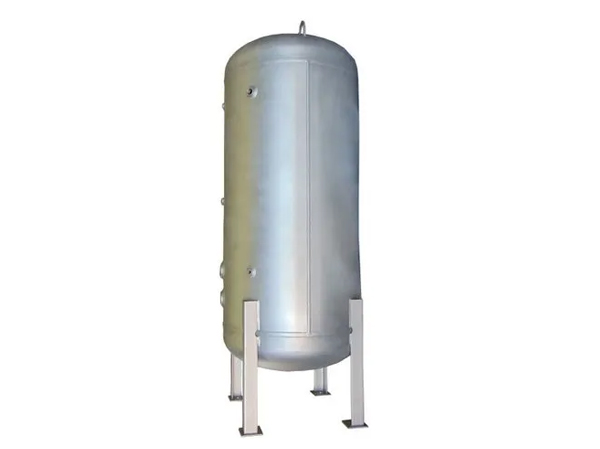
A pressure vessel is a closed container designed to hold liquids, vapors, or gases under high pressure or vacuum conditions. These vessels are carefully engineered using advanced materials and fabrication techniques to prevent leakage, deformation, or failure.
Unlike ordinary storage tanks, pressure vessels are built to withstand:
Because of these demanding conditions, selecting an experienced Pressure Vessel Manufacturer is essential for safety and performance.
Why Pressure Vessels Are Essential in Industries
Pressure vessels support numerous industrial processes that require controlled pressure environments.
Safe Storage and Processing
They safely store compressed gases, chemicals, steam, and process fluids used in manufacturing operations.
Process Efficiency
Maintaining controlled pressure improves reaction efficiency in chemical and pharmaceutical industries.
Thermal Control
Pressure vessels enable heating, cooling, and phase changes required in industrial processing.
Operational Safety
Properly engineered vessels prevent dangerous pressure failures and workplace hazards.
Key Features of Industrial Pressure Vessels
Industrial pressure vessels differ from standard storage tanks due to their engineered construction and safety design.
Heavy-Duty Construction
- High-grade carbon steel or stainless steel fabrication
- Precision welding techniques
- Structural reinforcement for pressure resistance
Advanced Design Engineering
- Cylindrical or spherical vessel geometry
- Stress-optimized thickness calculations
- Designed according to international codes
Corrosion Resistance
- Internal coatings and linings
- Stainless steel options for chemical environments
- Long operational lifespan
Custom Fabrication Options
- Vertical or horizontal vessels
- Jacketed vessels
- Insulated pressure vessels
- Reactor and separator configurations
Industrial Applications of Pressure Vessels
A professional Pressure Vessel Manufacturer supplies equipment across diverse industries.
Oil and Gas Industry
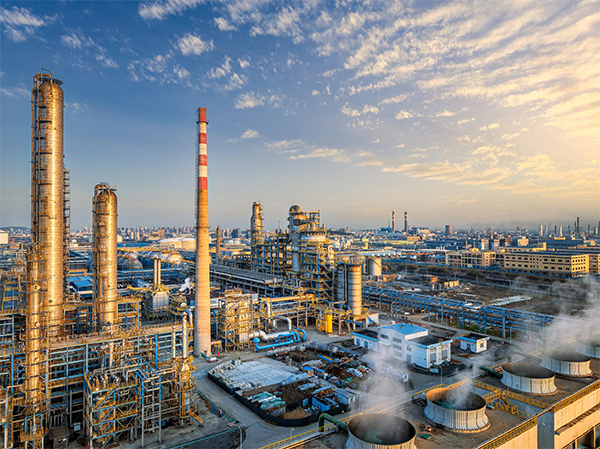
Used for gas separation, storage, and processing under high pressure conditions.
Chemical Processing Plants
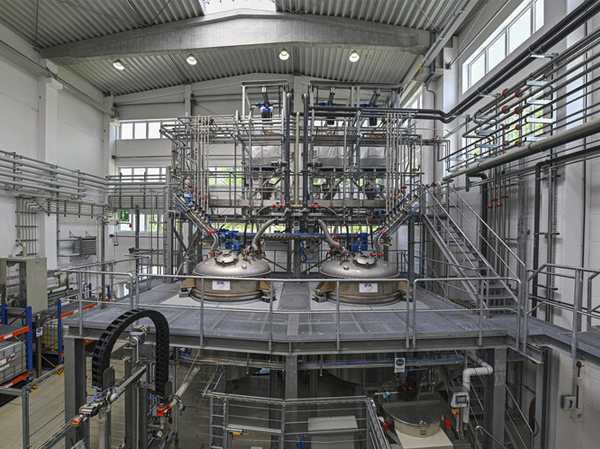
Essential for reactors, mixing vessels, and chemical storage systems.
Pharmaceutical Industry
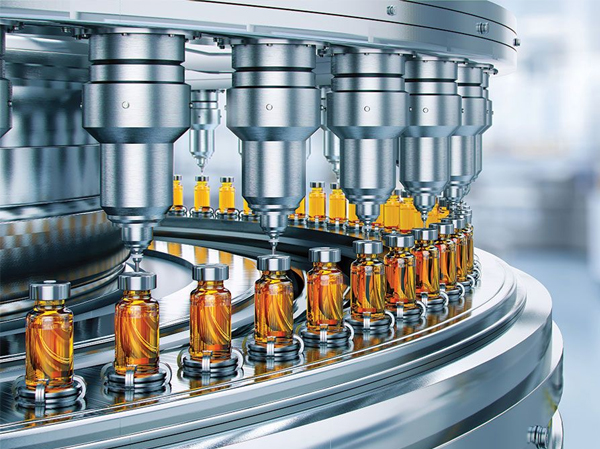
Maintains sterile and controlled environments for drug manufacturing.
Food and Beverage Industry
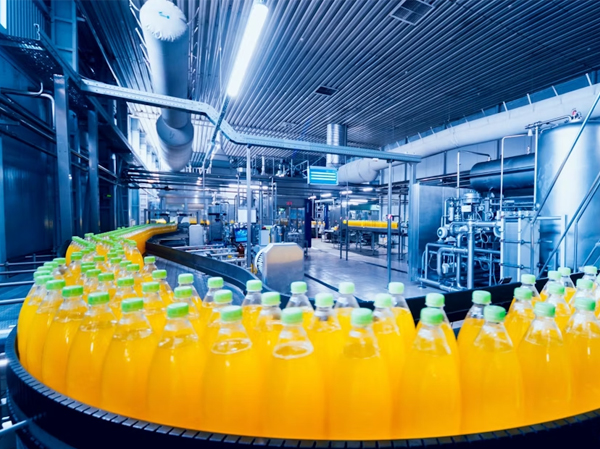
Used in fermentation tanks, steam vessels, and processing units.
Power Plants
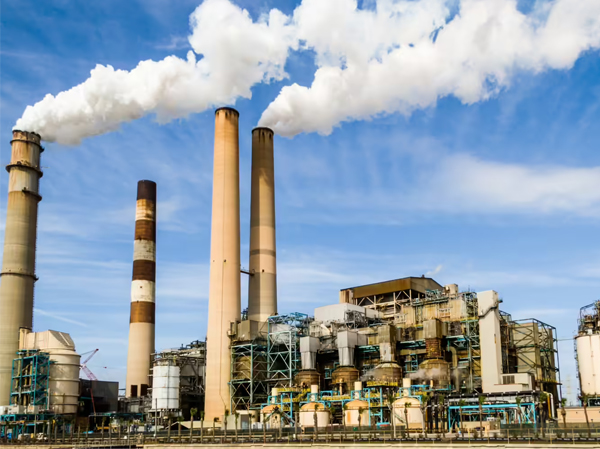
Steam boilers and heat exchanger systems rely heavily on pressure vessel technology.
Water Treatment Plants
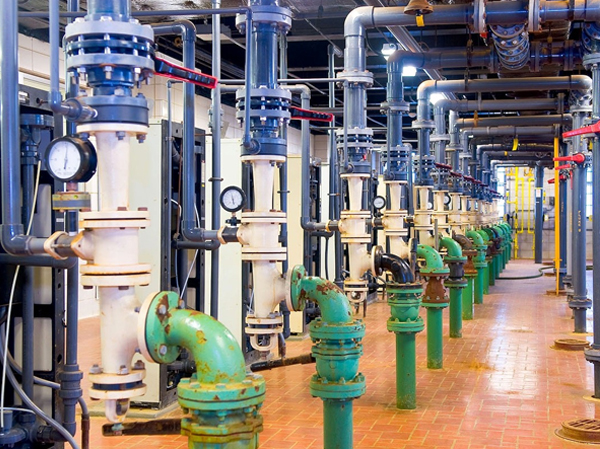
Used in filtration systems, air receivers, and treatment processes.
Working Principle of a Pressure Vessel
The operation of a pressure vessel follows a controlled engineering process:
Fluid Input – Gas or liquid enters the vessel through inlet nozzles.
Pressure Containment – Vessel walls withstand internal pressure safely.
Process Operation – Heating, cooling, mixing, or chemical reaction occurs.
Controlled Discharge – Pressure relief valves and outlets regulate output safely.
Types of Pressure Vessels
Pressure Vessel Design Standards and Quality Compliance
An experienced manufacturer follows strict international engineering codes, including:
- ASME Section VIII standards
- Pressure testing and inspection procedures
- Non-destructive testing (NDT)
- Hydrostatic pressure testing
- Certified welding procedures
- Material traceability documentation
Compliance ensures operational safety and global acceptance.
Customization Options for Industrial Requirements
Every industry has unique pressure and process demands. A professional Pressure Vessel Manufacturer provides:
- Custom vessel capacity and dimensions
- Specialized nozzle configurations
- Internal agitators and mixers
- Insulation and cladding options
- High-temperature material selection
- Corrosion-resistant coatings
Customized engineering improves efficiency and reduces downtime.
Advantages of Choosing Dhaval Engineering Pressure Vessels
Industries prefer Dhaval Engineering for pressure vessel manufacturing because of:
- Strong design and fabrication expertise
- High-precision manufacturing facilities
- Strict quality control procedures
- Reliable performance in demanding conditions
- Competitive industrial solutions
- Long-term service and support
These advantages ensure dependable operation across industries.
Maintenance Tips for Pressure Vessels
Proper maintenance improves safety and extends service life.
- Conduct regular pressure inspections
- Monitor corrosion and surface condition
- Check safety valves periodically
- Maintain proper operating pressure limits
- Follow scheduled preventive maintenance
Routine inspection helps avoid unexpected failures.
Common Mistakes to Avoid While Buying SS Cooking Vessels
- Choosing thin vessels to save cost
- Ignoring steel grade
- Buying incorrect capacity
- Overlooking handle strength
- Not checking heat source compatibility
Avoiding these mistakes ensures smooth kitchen operations.
Maintenance Tips for Long Life
- Clean vessels after every use
- Avoid harsh chemicals
- Use soft scrubbers
- Dry properly to avoid water marks
- Inspect handles and joints regularly
Proper care increases vessel life significantly.
Future Trends in Pressure Vessel Manufacturing
The pressure vessel industry continues evolving with advanced technologies: