
Modern manufacturing industries need strong and reliable equipment to maintain smooth production. One important piece of equipment used in many industries is the industrial vessel. Industrial vessels are widely used for storing, mixing, heating, cooling, and processing different materials during manufacturing.
Industries like chemical processing, pharmaceutical manufacturing, food production, dairy, textile, oil, gas, and water treatment depend on industrial vessels for daily operations. A properly designed industrial vessel helps improve production speed, product quality, safety, and overall efficiency.
Using high quality industrial vessels reduces production problems, improves material handling, and supports continuous manufacturing operations. This guide explains how industrial vessels improve manufacturing efficiency and why they are important in modern industries.
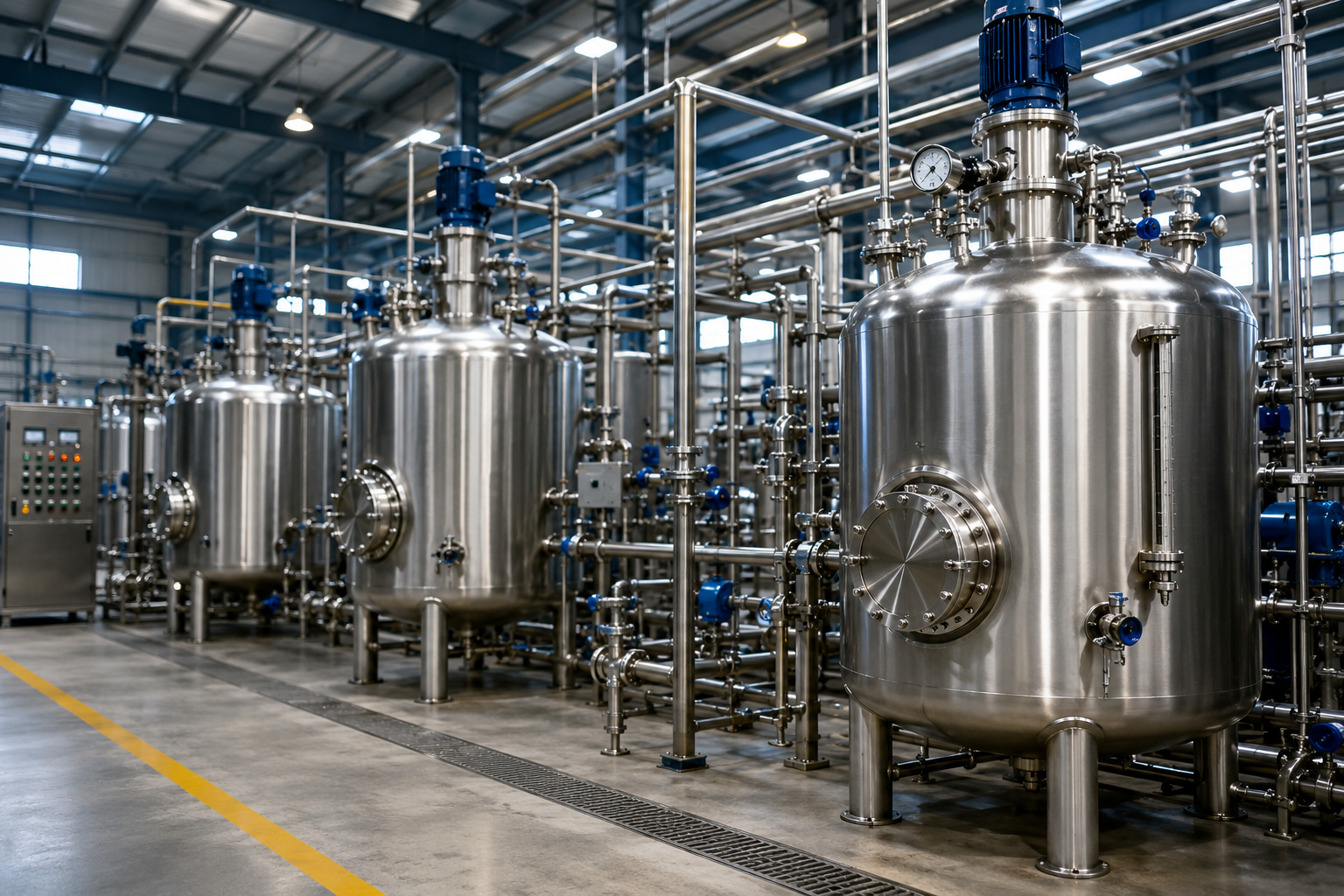
What is an Industrial Vessel?
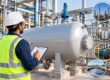
An industrial vessel is a specially designed container used for storing or processing liquids, chemicals, powders, gases, or other industrial materials. Industrial vessels are manufactured in different sizes and shapes depending on the industry and application.
Main Functions of Industrial Vessels
Material Storage
Mixing & Blending
Heating & Cooling
Pressure Handling
Chemical Processing
Product Transfer
Safe Material Handling
Types of Industrial Vessels
Different industries use different vessel designs according to their specific production needs and requirements.
Storage Vessels
Used for safely storing liquids, chemicals, oils, or water. Common in chemical plants, food industries, water treatment plants, and oil industries.
Mixing Vessels
Used to combine multiple materials during production. Widely used in pharmaceutical, paint, food processing, and chemical manufacturing industries.
Pressure Vessels
Designed to handle high-pressure operations safely. Used in gas industries, chemical processing plants, and power plants.
Jacketed Vessels
Used for heating or cooling materials. Common in the dairy industry, pharmaceutical industry, and food processing plants.
Why Manufacturing Industries Need Industrial Vessels
Manufacturing industries handle large quantities of materials every day. Without proper vessels, production becomes unsafe and inefficient. Industrial vessels help industries maintain organized, safe, and continuous operations — making them an essential part of any modern production facility.
How Industrial Vessels Improve Manufacturing Efficiency
Industrial vessels improve industrial performance in many important ways. Here are the seven key ways they make a difference.
1. Better Material Storage
Industrial vessels safely store raw materials and finished products, resulting in an organized production process, reduced material waste, improved inventory handling, and better overall safety.
2. Faster Production Process
Industrial vessels support continuous material flow during manufacturing, leading to faster production cycles, increased productivity, and reduced processing delays.
3. Improved Product Quality
Proper vessels maintain stable processing conditions, resulting in better product consistency, reduced contamination, accurate mixing and processing, and improved final product quality.
4. Better Temperature Control
Many industrial vessels support heating and cooling operations, providing stable production temperature, improved process control, reduced product damage, and better overall manufacturing efficiency.
5. Improved Workplace Safety
Industrial vessels help handle dangerous or sensitive materials safely — reducing leakage risk, enabling controlled pressure handling, ensuring safe chemical storage, and minimizing worker exposure to hazardous materials.
6. Reduced Material Waste
Proper vessel design helps industries reduce material loss during processing, leading to cost savings, better production management, and improved operational efficiency.
7. Continuous Manufacturing Operations
Industrial vessels support uninterrupted production by reducing downtime, enabling better workflow management, and achieving higher daily production output.
Industries Using Industrial Vessels
Industrial vessels are essential across many sectors where safe material handling and processing are critical to production success.
Chemical Industry
Pharmaceutical Industry
Food Processing Industry
Dairy Industry
Textile Industry
Oil and Gas Industry
Water Treatment Plants
Paint Industry
Cosmetic Industry
Importance of Stainless Steel Industrial Vessels
Stainless steel vessels are commonly used because they offer exceptional strength and corrosion resistance, making them ideal for demanding industrial environments.
Corrosion Resistance
Long Service Life
Hygienic Surface
Easy Cleaning
High Durability
Better Chemical Resistance
Common Problems Without Proper Industrial Vessels
Using low-quality or damaged vessels can create many production problems that directly impact safety, output, and costs.
Leakage
Contamination
Pressure Failure
Product Quality Problems
Heat Loss
Production Delays
Frequent Maintenance
Important Features of High Quality Industrial Vessels
Choosing the right industrial vessel improves manufacturing efficiency and safety. Always check for these essential features before selecting a vessel.
Strong Material Construction
Corrosion Resistance
Precision Fabrication
Pressure Handling Capability
Smooth Surface Finish
Proper Insulation
Easy Maintenance
Durable Welding Quality
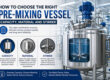
How to Choose the Right Industrial Vessel
Selecting the correct vessel depends on production requirements. Consider these important factors to make the right decision for your industry.
Material Type
Choose vessel material according to the product being processed.
Pressure Requirement
High-pressure applications require specially designed vessels.
Temperature Conditions
Select vessels suitable for heating or cooling operations.
Capacity Requirement
Choose vessel size according to production volume.
Industry Standards
Industrial vessels should follow safety and quality standards.
Benefits of High Quality Industrial Vessels
Improved Manufacturing Efficiency
Better Product Quality
Reduced Downtime
Improved Workplace Safety
Longer Equipment Life
Better Material Handling
Reduced Maintenance Costs
Continuous Production Support
Maintenance Tips for Industrial Vessels
Proper maintenance increases vessel life and efficiency. Follow these tips to keep your industrial vessels in top working condition.
Clean vessels regularly
Check for leakage
Inspect welding joints
Monitor pressure levels
Prevent corrosion
Replace damaged parts quickly
Follow inspection schedules
Why Choose Dhaval Engineering?
Dhaval Engineering provides reliable industrial vessel solutions for modern manufacturing industries — built for performance, durability, and long-term value.
High Quality Fabrication
Every vessel is fabricated using industry-grade materials and strict quality control to ensure consistent and reliable performance.
Durable Industrial Vessels
Built to withstand demanding industrial environments with minimal maintenance requirements and a long operational lifespan.
Precision Engineering
Engineered with precision for accurate fabrication, smooth operation, and consistent performance across all industrial applications.
Custom Vessel Solutions
Tailor-made industrial vessel designs to meet specific production requirements and unique operational needs.
Reliable Industrial Support
Dedicated support and after-sales service to ensure smooth and uninterrupted production operations at all times.
Advanced Manufacturing Technology
Backed by advanced manufacturing technology to deliver superior vessel quality, accuracy, and long-term reliability.
Conclusion
Industrial vessels play an important role in improving manufacturing efficiency, product quality, and workplace safety. They help industries manage storage, mixing, heating, cooling, and processing operations smoothly.
Using high quality industrial vessels helps reduce downtime, improve productivity, and support continuous manufacturing operations. Proper vessel selection and maintenance are important for long-term industrial success.
Frequently Asked Questions
What is an industrial vessel used for?
Industrial vessels are used for storing, mixing, heating, cooling, and processing industrial materials across a wide range of manufacturing sectors.
Which industries use industrial vessels?
Industries like chemical, pharmaceutical, food processing, dairy, oil and gas, textile, paint, and cosmetics widely use industrial vessels for their daily operations.
Why are stainless steel industrial vessels preferred?
They offer corrosion resistance, hygienic surfaces, high durability, easy cleaning, and a long service life — making them ideal for demanding industrial environments.
How do industrial vessels improve manufacturing efficiency?
They improve material handling, reduce downtime, maintain stable product quality, support temperature control, and ensure continuous production operations.
How can industrial vessel life be increased?
Regular maintenance, routine cleaning, leakage checks, pressure monitoring, timely part replacement, and following inspection schedules all help extend industrial vessel lifespan significantly.