

Leading Embossing Roll Manufacturer & Supplier in Ahmedabad
If you work in a factory or design products, you know that texture matters. An Embossing Roll is the secret tool that adds beautiful patterns and useful grips to everyday items. From the patterns on your paper towels to the leather-like look of your car’s dashboard, these tools make products look better and work harder.
In the world of manufacturing, staying ahead means making high-quality goods quickly. An Embossing Roll helps you do exactly that. It is a durable, high-precision tool that transforms flat materials into something special. Whether you are new to the industry or a seasoned buyer, understanding how these rolls work can help your business grow.
What is an Embossing Roll?
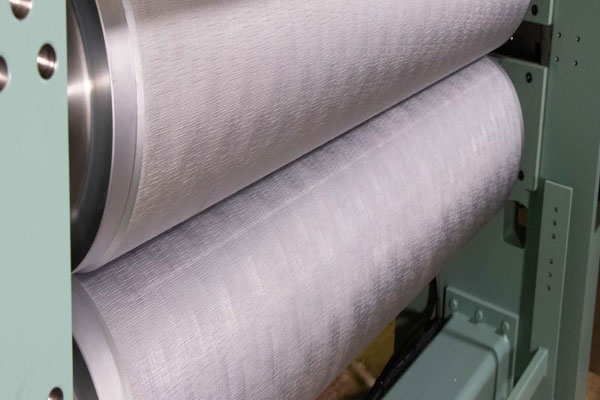
An Embossing Roll is a heavy-duty metal cylinder used to press a design into a material. Think of it like a giant rolling pin with a pattern carved into it. As the material passes under the roll, the pressure forces the pattern onto the surface.
How it works:
- Feeding: A flat material (like paper or plastic) moves through a machine.
- Pressure: The Embossing Roll presses firmly against the material and a backing roll.
- Transfer: The raised pattern on the metal roll creates a permanent “dent” or shape in the material.
- Result: You get a finished product with a 3D texture.
Types of Embossing Rolls
Not every product needs the same texture. Here are the most common types:
- Steel-to-Steel Rolls: Both rolls have matching patterns. These are used for very thick materials that need deep designs.
- Steel-to-Rubber Rolls: A steel patterned roll presses against a soft rubber roll. This is great for delicate materials like thin plastic or paper.
- Laser-Engraved Rolls: These use lasers to create very tiny, detailed designs. They are perfect for high-end luxury packaging.
- Male and Female Rolls: These are two rolls that fit perfectly together like a puzzle to create a very sharp, clear image.
Benefits of Using Embossing Rolls
As a prominent Warping Drum Manufacturer in Ahmedabad, we ensure our products have:
These features make the equipment ideal for heavy duty manufacturing environments.
Applications of Embossing Roll
You see the work of an Embossing Roll every single day. Here is where they are used most:
- Paper Industry: Creating patterns on toilet paper, napkins, and tissue.
- Packaging: Making shiny logos on perfume boxes or food containers.
- Textiles: Adding textures to fabric for clothes or home curtains.
- Construction: Creating wood-grain looks on plastic flooring or metal panels.
- Automotive: Giving car seats and door panels a leather-like texture.
Problems Solved by Embossing Rolls
Manufacturers & Supplier often face “flat” problems. Here is how an Embossing Roll solves them:
- Dull Products: If your product looks too plain, a roll adds a “wow” factor that attracts customers.
- Product Slipping: If a material is too smooth, it might slide off a machine. Embossing adds the friction needed to keep things moving.
- Hiding Flaws: Sometimes materials have small scratches. A nice embossed pattern hides these tiny mistakes perfectly.
How to Choose the Right Embossing Roll
Choosing the wrong roll can waste money. Follow these steps:
- Know Your Material: Is it hard metal or soft paper? This decides what the roll should be made of.
- Pick Your Pattern: Do you need a simple logo or a complex wood-grain design?
- Check the Size: Measure your machine’s width and the diameter needed for the roll.
- Consider the Temperature: Some materials need the roll to be heated to work correctly.
Technical Specifications Table
| Feature | Details |
| Material | Forged Steel, Alloy Steel, or Stainless Steel |
| Surface Coating | Chrome Plating, Teflon, or Ceramic |
| Pattern Depth | ($0.05\text{ mm}$ to $3.0\text{ mm}$) |
| Roll Diameter | $100\text{ mm}$ to $1000\text{ mm}$ |
| Application | Paper, PVC, Aluminum Foil, Non-woven Fabric |
Maintenance Tips for Embossing Rolls
To make your Embossing Roll last for years, follow these tips:
- Clean Regularly: Remove any dust or leftover material from the pattern using a soft brush.
- Check for Wear: Look for tiny chips or flat spots in the design.
- Lubrication: Keep the bearings at the ends of the roll well-oiled.
- Safe Storage: If you aren’t using the roll, wrap it in protective oil and cloth to prevent rust.
Why Choose a Professional Embossing Roll Manufacturer?
Buying a cheap roll might seem smart, but it often leads to blurry patterns or broken machines. A professional manufacturer & Supplier uses high-grade steel and precise carving tools. They ensure the Embossing Roll manufacture and supplier in Ahmedabad, Gujarat, India is perfectly balanced so it doesn’t wobble when spinning at high speeds.
Frequently Asked Questions
How long does an Embossing Roll last?
If you take care of it, a high-quality steel roll can last for many years of daily use.
Can I get a custom design on my roll?
Yes! Manufacturers can take your company logo or a unique drawing and carve it exactly onto the roll.
Does the roll need to be heated?
It depends. Plastic and some foils need heat to “hold” the shape, while paper usually does not.
What is the best material for a roll?
Hardened steel is usually the best because it stays sharp and resists damage.
Can an Embossing Roll be repaired?
Yes, often the surface can be re-ground and re-engraved to look brand new.
Conclusion
The Embossing Roll is a powerful tool that combines art with engineering. It turns basic materials into high-value products that people want to buy. By choosing the right roll and maintaining it well, you can improve your production speed and product quality.